 Skip to content


When buying modern wearables, you will often see labels like "5 ATM" or "IPX8" on the packaging. These aren't marketing terms --- ATM (Atmospheric) pressure rating and the IP (Ingress Protection) rating are two primary waterproof rating systems used to assess a device's resistance to liquids.
They are not difficult to understand. Once you know what the different water resistance ratings mean, you can choose a smartwatch more confidently and avoid device failures during swimming, workouts, or unexpected heavy rain. Let's take a closer look at the two main ratings and how they apply in real-life situations.
ATM Water Resistance Ratings for Wearables
The ATM waterproof rating system, derived from traditional watchmaking, is based on water pressure. ATM stands for atmospheres, a unit used to measure pressure. As water depth increases, so does the pressure on a device. To make ratings easier to understand, brands often convert pressure levels into equivalent water depths. For example, a 5 ATM smartwatch is tested to withstand pressure equivalent to 50 meters of water depth.
However, a critical distinction must be made: 5 ATM/ 10ATM these waterproof ratings are tested in laboratory conditions using static water. A 5 ATM rating does not mean the watch is suitable for diving to 50 meters. In real-world situations, movements such as swimming strokes, diving into a pool, or participating in high-speed water sports create dynamic pressure, which can be significantly greater than the pressure experienced in still water. For this reason, leading manufacturers such as Garmin recommend choosing a device with a higher water resistance rating for activities that involve forceful movement through water.
The table below explains the most common ATM water resistance ratings, including 2 ATM, 5 ATM, and 10 ATM, along with their typical uses in everyday life.
| Waterproof Rating | Depth | Best Use Cases |
|---|---|---|
| 1 ATM | 10 Meters (33 Feet) | Minimal protection; handles accidental minor splashes or light mist. Not suitable for showering. |
| 2 ATM | 20 Meters (66 Feet) | Basic everyday moisture defense. Safe for handwashing and walking through light rain showers. |
| 3 ATM | 30 Meters (98 Feet) | Standard protection against rain, sweat, and everyday splashes. Not recommended for full immersion or pool use. |
| 5 ATM | 50 Meters (164 Feet) | Excellent baseline for lap athletes. Safe for recreational swimming in pools or open water, surface snorkeling, and showering. |
| 10 ATM | 100 Meters (328 Feet) | Built to withstand high-velocity water sports, surfing, jet skiing, and freediving down to shallow depths. |
IPX Waterproof Rating for Smartwatches
Unlike traditional watches that mainly use atmospheric pressure (ATM) ratings, modern electronic wearables and consumer audio devices often follow the International Electrotechnical Commission (IEC) standard 60529. This system defines the well-known Ingress Protection (IP) rating, commonly referred to as an IP waterproof rating.
An IP waterproof rating usually includes two numbers, such as IP68. The first number shows protection against solid particles like dust, while the second number shows protection against water. If the first digit is replaced with an "X" (for example, IPX7), it means the device has not been officially tested for dust resistance, and the rating only focuses on water protection.
Keep in mind that a water-focused rating like IPX7 is different from a full IP rating that also includes dust protection. The "X" simply means the device has not been officially tested for dust resistance, not that it cannot resist dust. Devices with a full rating such as IP68 are tested for both dust and water protection, offering more complete protection against dirt, dust, and water.
The water resistance scale ranges from IPX0 to IPX8, with each level representing different testing conditions and levels of protection. Below are common rating scales.
| Waterproof Rating | Test Conditions | Best Use Cases |
|---|---|---|
| IPX3 | Water spraying up to a 60° angle for 5 minutes. | Withstands light, vertical rainfall or minor kitchen splashes. |
| IPX4 | Water splashing against the enclosure from any direction. | Great for heavy sweat during high-intensity gym training and running in the rain. |
| IPX5 | Low-pressure water jets projected from a 6.3mm nozzle. | Can handle direct rinsing under a gentle tap or heavy downpours. |
| IPX6 | Powerful water jets projected from a 12.5mm nozzle. | Protects against intense storms, heavy driving rain, or sudden waves on a boat. |
| IPX7 | Full submersion in up to 1 meter of still water for 30 minutes. | Survives accidental drops in a puddle, bath, or shallow water basin. |
| IPX8 | Continuous submersion beyond 1 meter under manufacturer-specified depths. | Suitable for prolonged wet conditions, though pressure thresholds are lower than ATM ratings. |
ATM vs. IPX: Key Differences and Which One Matters Most
When reviewing a wearable's key specs, it's useful to compare the two water resistance systems. Both check how well a device is sealed against water, but they measure water resistance in different ways.
ATM waterproof ratings measure how well a device can withstand water pressure at depth, including strong compression from surrounding water.
IPX waterproof ratings mainly test how well a device blocks water from sprays, splashes, or short, shallow submersion without pressure.
If you are choosing a smartwatch for sports and active use, the ATM water resistance rating is usually more important. A device holding an IP rating like IPX8 is good for accidental water exposure, such as dropping the watch in a sink or brief submersion. However, it does not fully account for the strong water pressure generated by movement, such as when your arm hits the water while swimming. For more reliable protection during sports and water activities, the ATM water rating is generally the better standard to look for.
Buying Guide: Find the Right Waterproof Rating for Your Life
To protect your investment, you should always match your specific athletic hobbies and daily environments with an appropriate water resistance rating.
Daily Wear and Sweat Resistance
If your main activities involve weightlifting, running on paved roads, office commutes, or low-impact aerobics, your primary concern is shielding components from sweat and light rain. For these everyday scenarios, a basic IPX4 up to 2 ATM or 3 ATM waterproof rating is usually enough. It protects the watch from heavy sweat and everyday handwashing, without adding extra weight or increasing production cost.
Surface Water Sports: Swimming, Surfing, and Paddleboarding
Water activities with movement place higher demands on protection. Surfing in waves or swimming with strong, repeated strokes creates extra pressure on the watch. For these conditions, a minimum of 5 ATM water resistance is recommended. This helps ensure the device stays protected under the dynamic pressure of surface water activities.
Underwater Activities: Snorkeling and Free Diving
For deeper water activities like snorkeling, jet-skiing, or freediving, stronger protection is essential. Normal watches can quickly fail under high water pressure at depth. In these cases, look for at least a 10 ATM waterproof rating or an EN13319 diving certification, which ensures the watch can better withstand strong underwater pressure.
Conclusion: Better Water Activities with Mibro
Choosing the right water resistance rating helps prevent device damage and lets you get more out of outdoor tracking. If you are looking for a durable, well-sealed companion that balances premium build quality with an affordable price, Mibro offers a strong lineup of adventure-ready smartwatches.
Mibro GS Pro 2: A great option featuring a robust 5 ATM setup. It is fully swimproof and includes specialized multi-sport and triathlon tracking modes, making it the perfect daily fitness companion.
Mibro GS Explorer S: Engineered for rugged environments, this powerhouse boasts a true 10 ATM design. It features an integrated professional freediving mode that safely tracks underwater depth, duration, and ascent speeds down to 30 meters.
Mibro GS Explorer S Ti-Standard: Taking protection to the ultimate tier, this model pairs a 10 ATM depth rating with an aerospace-grade titanium case, delivering absolute structural security against saltwater corrosion and extreme temperatures.
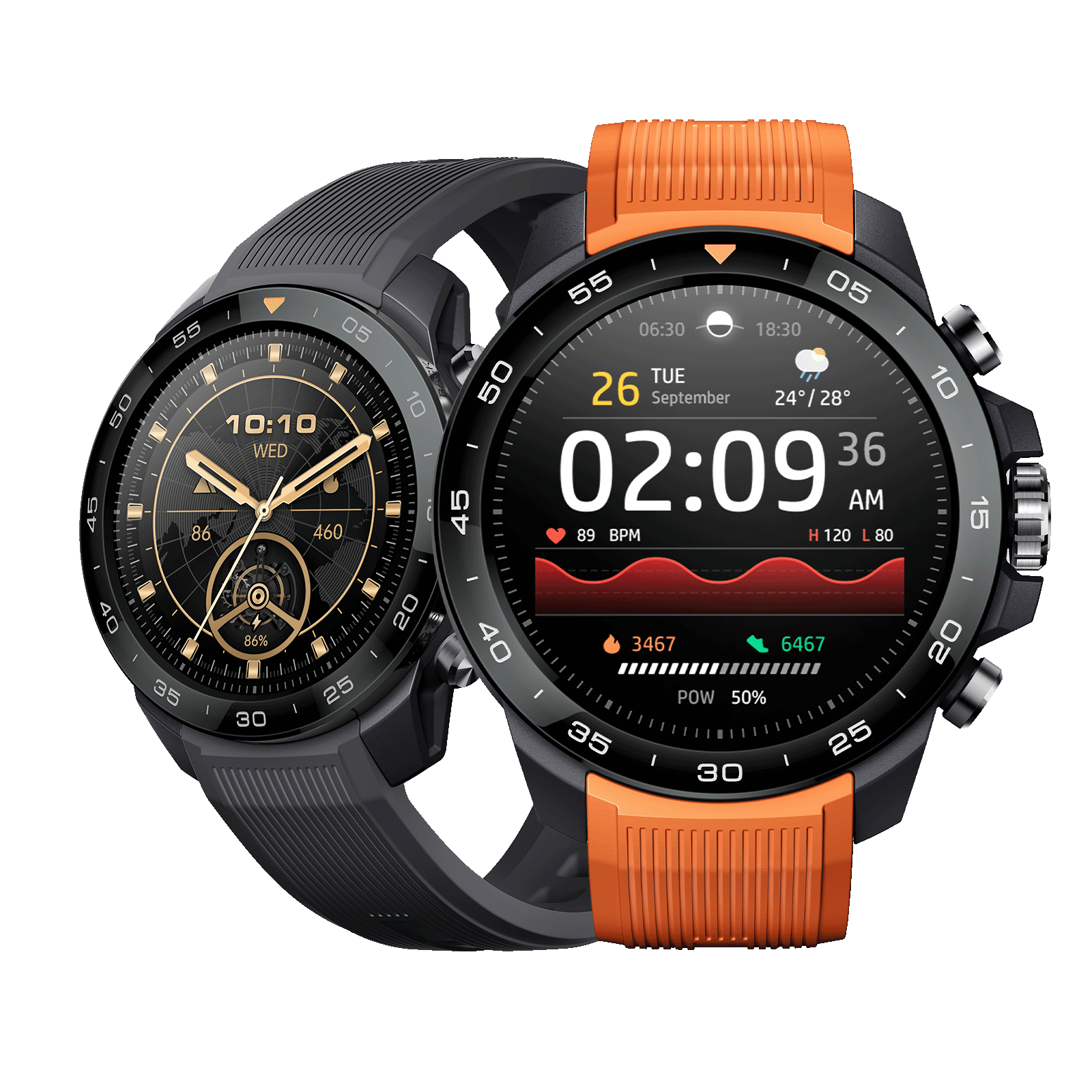
Mibro Waterproof Smartwatches
FAQs About Water Resistance Ratings
Is 5 atm better than IP68?
Neither is strictly "better". 5 ATM water resistance is mainly designed for real-life movement in water, such as swimming or snorkeling. It can handle the changing pressure that comes with active use in water, making it more reliable for sports and other dynamic water activities.
IP68, on the other hand, is more focused on protection in still water and against dust. It works well for short-term submersion in calm conditions, but it is less reliable when you are moving in water, such as during swimming, where water pressure constantly changes. However, IP68 has stronger dust protection and can fully prevent dust and fine particles from entering the device.
Is IP67 or IP68 water resistant?
IP67 and IP68 both resist water, but IP68 delivers a stronger level of protection compared to IP67.
"IP" stands for Ingress Protection, a standard that describes how well a device is sealed against dust and liquids. The first digit, 6, means both ratings offer complete protection against dust. The second digit shows the level of water resistance — 7 or 8 — where a higher number represents better protection against water exposure.
What is the best waterproof rating for wearables?
The best waterproof rating for wearables depends on how you plan to use them. For the highest level of protection, top-tier standards include 10 ATM (rated for 100 meters) with EN13319 certification for diving, or a combination of 5 ATM and IPX8 for high-speed water activities.
Since wearables are exposed to movement, speed, and changing water pressure, depth ratings measured in static conditions do not always reflect real-world durability or guarantee complete protection.

